Nutrition 101: Feeding Your Pet For Optimal Health - Questions
Fats are the most focused form of food power, offering your pet with greater than two times the energy of proteins or carbohydrates. Fats are vital in the structure of cells, needed for the manufacturing of some hormonal agents, and are required for absorption and application of specific vitamins. Fats likewise offer insulation and security for internal body organs.
Carbs give energy, play a vital function in the health and wellness of the intestine, and are essential for recreation. While there is no minimum carbohydrate requirement, there is a minimum sugar need necessary to provide energy to vital body organs such as the brain. Fibers are kinds of carbohydrates that change the bacterial population in the tiny intestine, which can assist take care of chronic diarrhea in dogs.
Not known Facts About 6 Tips For Keeping Your Dog Healthy - Rainbow City Vets
The majority of vitamins can not be synthesized in the body, and for that reason are necessary to get in the diet regimen. Please note that when feeding your pet dog a complete and balanced diet regimen, it is unneeded to give a vitamin supplement unless a specific vitamin deficiency is identified by a veterinarian. Due to over supplementation, poisoning due to excess vitamins (hypervitaminosis) is more typical nowadays than vitamin deficiency (hypovitaminosis).
Excess vitamin D might lead to extremely thick bones, soft cells calcification and kidney failure. Minerals are nutrients that can not be synthesized by animals and have to be offered in the diet. In basic, minerals are crucial as structural constituents of bones and teeth, for preserving fluid balance and for their involvement in many metabolic responses.
Not known Factual Statements About Top 10 Ways To Perfect Your Pets Nutrition Today
This procedure of slowly lowering a puppy's dependency on his mom's milk, referred to as weaning, must typically start in between three and four weeks old and is preferably completely by the time the pup is 7 to eight weeks. Puppies obtain full nourishment from their mommy's milk for the initial four weeks of life, so there is no demand to feed them anything throughout that time.
If you discover on your own in this circumstance, contact your vet for item and feeding suggestions. After that time, it's finest to let discouraging be a progressive process that takes place over numerous weeks. This allows the mommy dog to slowly run out her milk supply and puppies need time to find out essential habits from their mom and littermates, including exactly how to analyze signs of prominence, hinder their own attacking routines and send to more leading pet dogs.

Beginning by separating the mommy from her litter for a few hours each time. This time around apart will certainly reduce the pups' dependence on their mother's milk and general visibility. While separated, present the puppies to eating from a pan. The quantity of food, the regularity and length of splitting up can progressively be enhanced.
A pampered lap pet might need simply 10% of that, while an active animal who exercises consistently outdoors may need maintenance plus 20 to 40%. You may need to change sections as you discover your dog's excellent "upkeep" quantity. Pet dog proprietors must always speak with their pet dog's vet to determine the ideal feeding schedule and kinds of foods for their family pets.
Some Of Nutrition And Pet Foods - Pet Medical Center
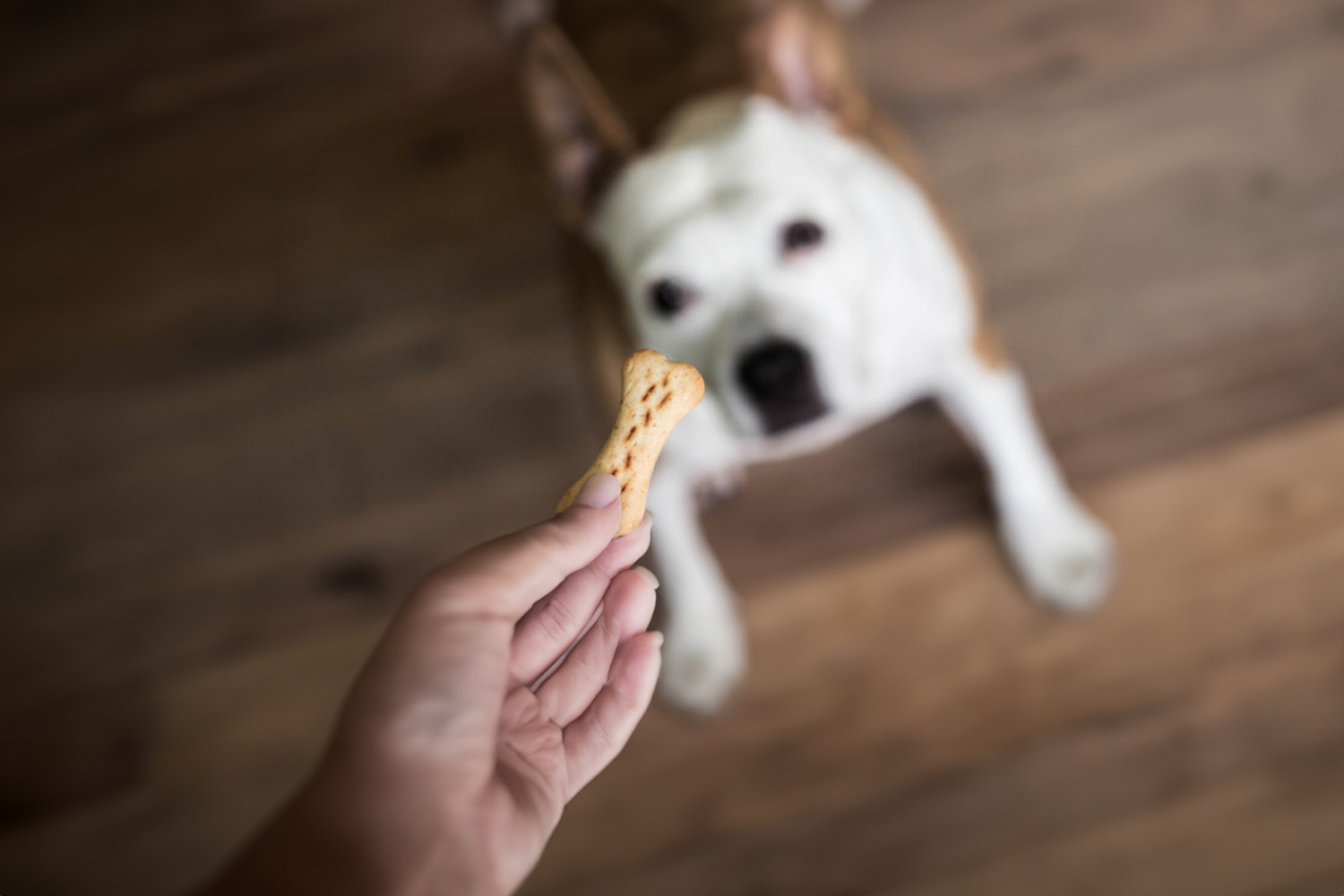
Be sure to examine with your vet on your animal's post-opt dietary demands. Treats must be given in moderation and stand for five percent or less of the canine's day-to-day food intake.
Need Professional Tree Surgery Services?
Our certified arborists are ready to help with all your tree care needs. Get expert advice and a free consultation today.
Request Free Quote